🦓 ZebraUp

A tracking tool for zebra patients

Closed beta, currently in Spanish only

What ZebraUp is

ZebraUp is a local-first app for tracking symptoms, medications and day-to-day patterns in rare and complex conditions. It's not an EDS-only app: it's built for the whole zebra spectrum — Ehlers-Danlos syndromes and other connective tissue disorders (Marfan, Loeys-Dietz, among others), MCAS, POTS and other forms of dysautonomia, ME/CFS, lipedema and Dercum disease, chronic GI and gynecological comorbidities, and many other conditions that traditional medicine tends to treat as isolated symptoms instead of a connected picture.

It's built by a developer who is also a patient, currently in closed beta with testers in Chile.

🦓 Beyond EDS: the rare disease spectrum

ZebraUp grew out of one developer's own experience with EDS — but it isn't built only for EDS. "Zebra" is a general nickname for rare-disease patients, and EDS is just one condition on a much wider, overlapping spectrum. Here's a quick tour of some of the other conditions this app is meant to serve just as well.

EDS and the hypermobility spectrum

EDS isn't one disease — it's a group of 13 subtypes of inherited connective tissue disorders. Hypermobile EDS (hEDS) is the most common subtype and the only one without an identified genetic marker yet, so diagnosis depends on strict clinical criteria. A global survey of over 3,000 patients found an average of 24 comorbidities and close to 22 years to reach a correct diagnosis.

Other connective tissue disorders — EDS's genetic cousins

Marfan syndrome, Loeys-Dietz syndrome, osteogenesis imperfecta, Stickler syndrome — different genes, sometimes with a more urgent cardiovascular risk profile. Loeys-Dietz in particular can be clinically mistaken for vascular EDS. If your diagnosis is one of these instead of EDS, the same tracking logic still applies: your body isn't giving you isolated symptoms, it's giving you a pattern.

Autonomic and mast cell conditions — with or without EDS

POTS and other forms of dysautonomia, and mast cell activation syndrome (MCAS), are extremely common alongside EDS — but they're also independent diagnoses in their own right. Many people come to ZebraUp because of POTS or MCAS specifically, without ever having an EDS diagnosis at all.

Adipose and fascial conditions

Lipedema and Dercum disease affect fat and connective tissue in ways that get frequently dismissed as "just weight." The underlying mechanism is different from EDS, but the experience of being disbelieved by doctors is often the same.

Chronic GI and gynecological conditions

IBS, gastroparesis, endometriosis, adenomyosis, vulvodynia — conditions that often get treated symptom by symptom, by different specialists, with no one connecting the dots. That fragmentation is exactly what ZebraUp's structured tracking is meant to counter, whatever the underlying diagnosis turns out to be.

Sources: The Ehlers-Danlos Society (www.ehlers-danlos.com) · Malfait F. et al., The 2017 international classification of the Ehlers-Danlos syndromes, American Journal of Medical Genetics · Daylor V. et al. (2025), "Defining the Chronic Complexities of hEDS and HSD: A Global Survey of Diagnostic Challenges, Life-Long Comorbidities, and Unmet Needs," Journal of Clinical Medicine 14(16):5636 · Loeys B. et al. (2006), on Loeys-Dietz syndrome mimicking a clinical diagnosis of vascular EDS in patients later found to carry TGFBR1/TGFBR2 mutations.

💡 Knowledge is power. Whatever your diagnosis — EDS, Marfan, POTS, MCAS, lipedema, or something else on this same spectrum — you belong here. Share this if it helps someone else recognize their own pattern. 🦓🖤

Who ZebraUp is for

ZebraUp is meant for anyone living with a chronic, complex condition who needs a tool that respects what their days actually look like. You don't need the same diagnosis as the person building it for this app to work for you.

🩺 Diagnostic criteria panel (hEDS)

A tool for organizing your history ahead of your next doctor's visit, based on the 2017 international diagnostic criteria for hypermobile Ehlers-Danlos syndrome (hEDS). Go at your own pace; at the end you'll get a summary you can print or show your doctor. This particular tool is specific to hEDS — if your diagnosis is something else (Marfan, POTS, MCAS, lipedema, etc.), the rest of the app doesn't depend on this panel.

⚠️ Not a self-diagnosis tool. Only a qualified clinician can diagnose hEDS. The Ehlers-Danlos Society will publish a revised version of these criteria on December 1, 2026; this version follows the current 2017 framework. You can also download the official PDF checklist from the Ehlers-Danlos Society.

Step 1: What is your age?

Age determines the Beighton score cutoff and which clinical framework applies.

Pinky finger bend

Can you bend your little finger back past 90°? (Or could you when you were younger?)
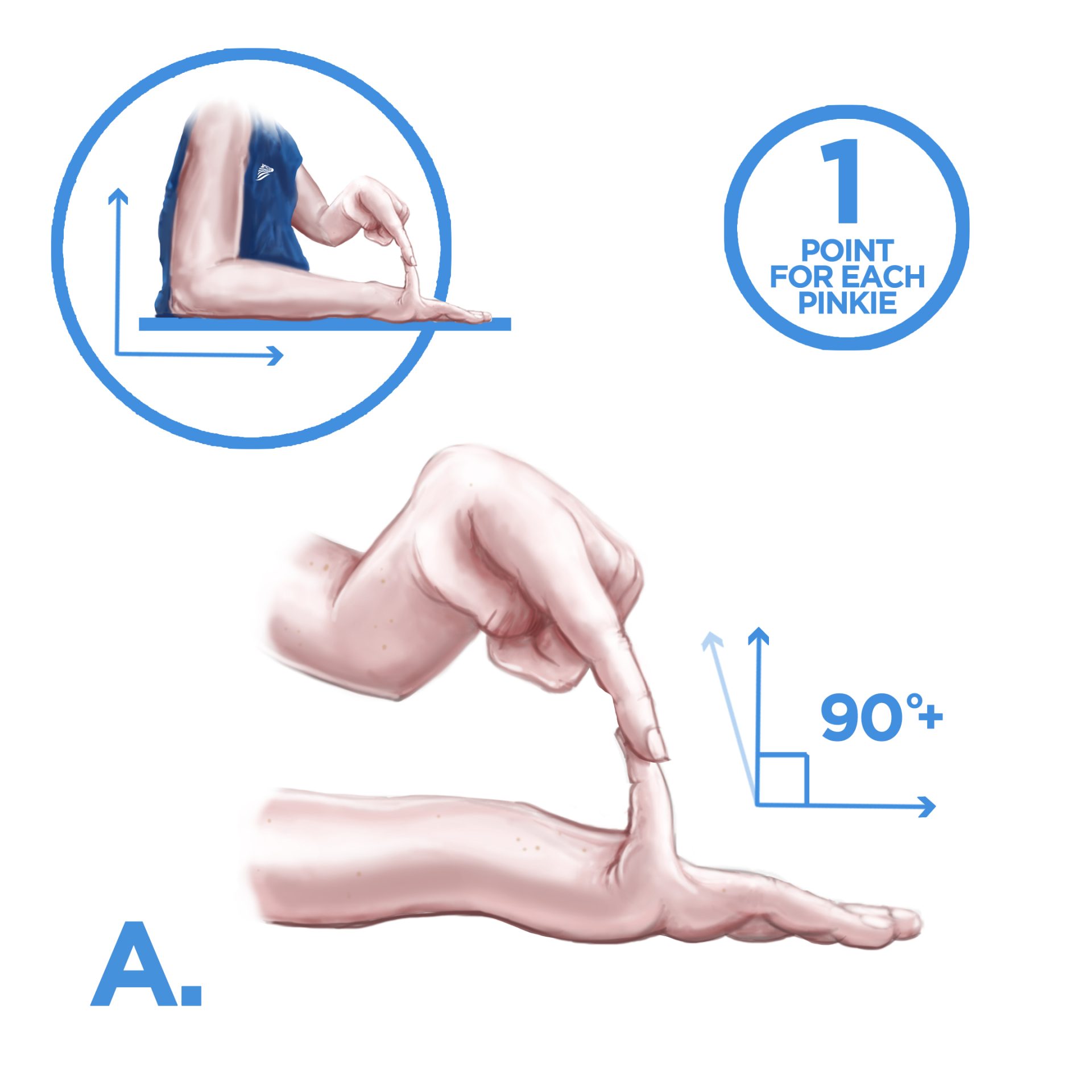
Illustration of a hand bending the pinky finger back past 90 degrees

Thumb to forearm

Can you bend your thumb to touch your forearm?
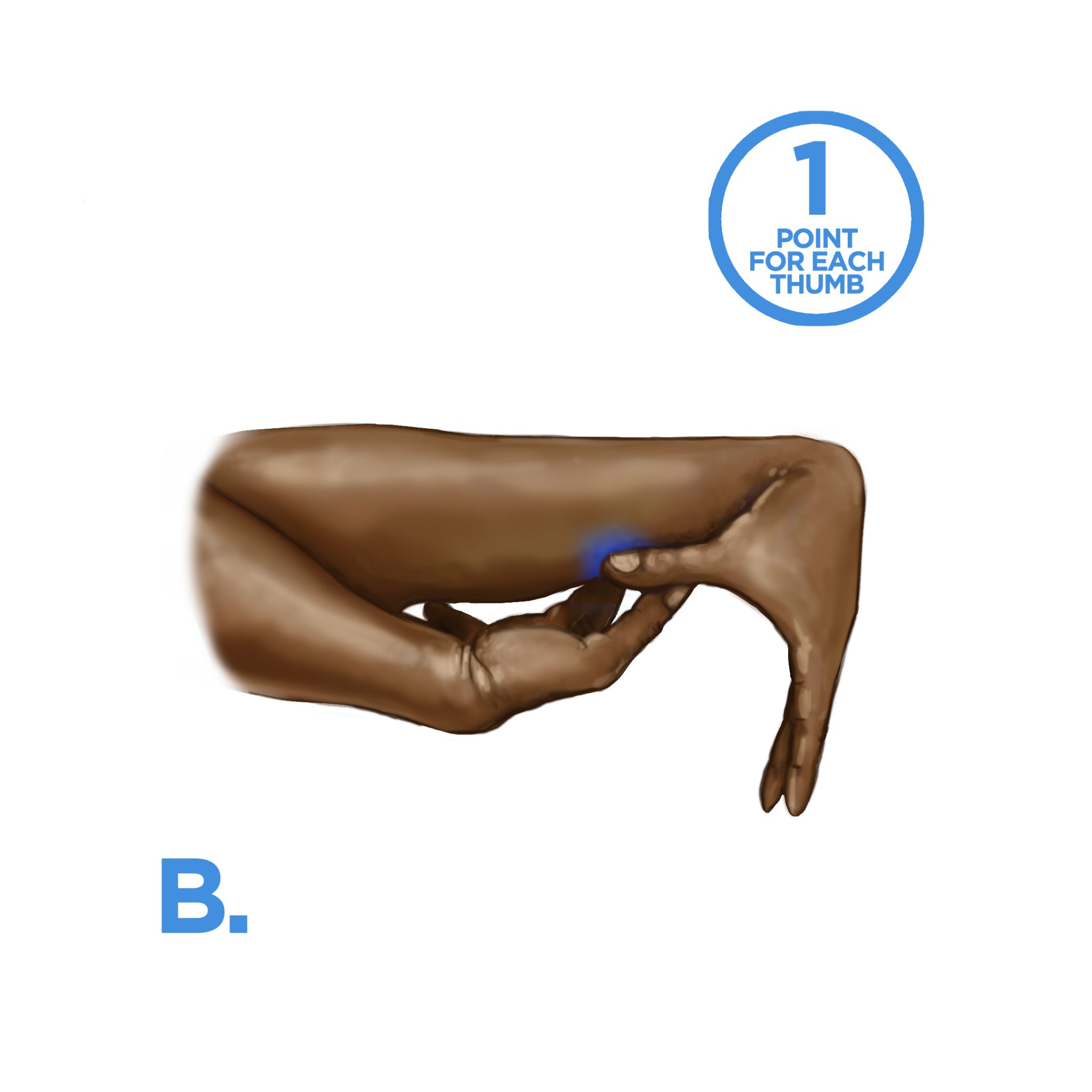
Illustration of a hand bending the thumb to touch the forearm

Elbow extension

Do your elbows extend more than 10° past straight?
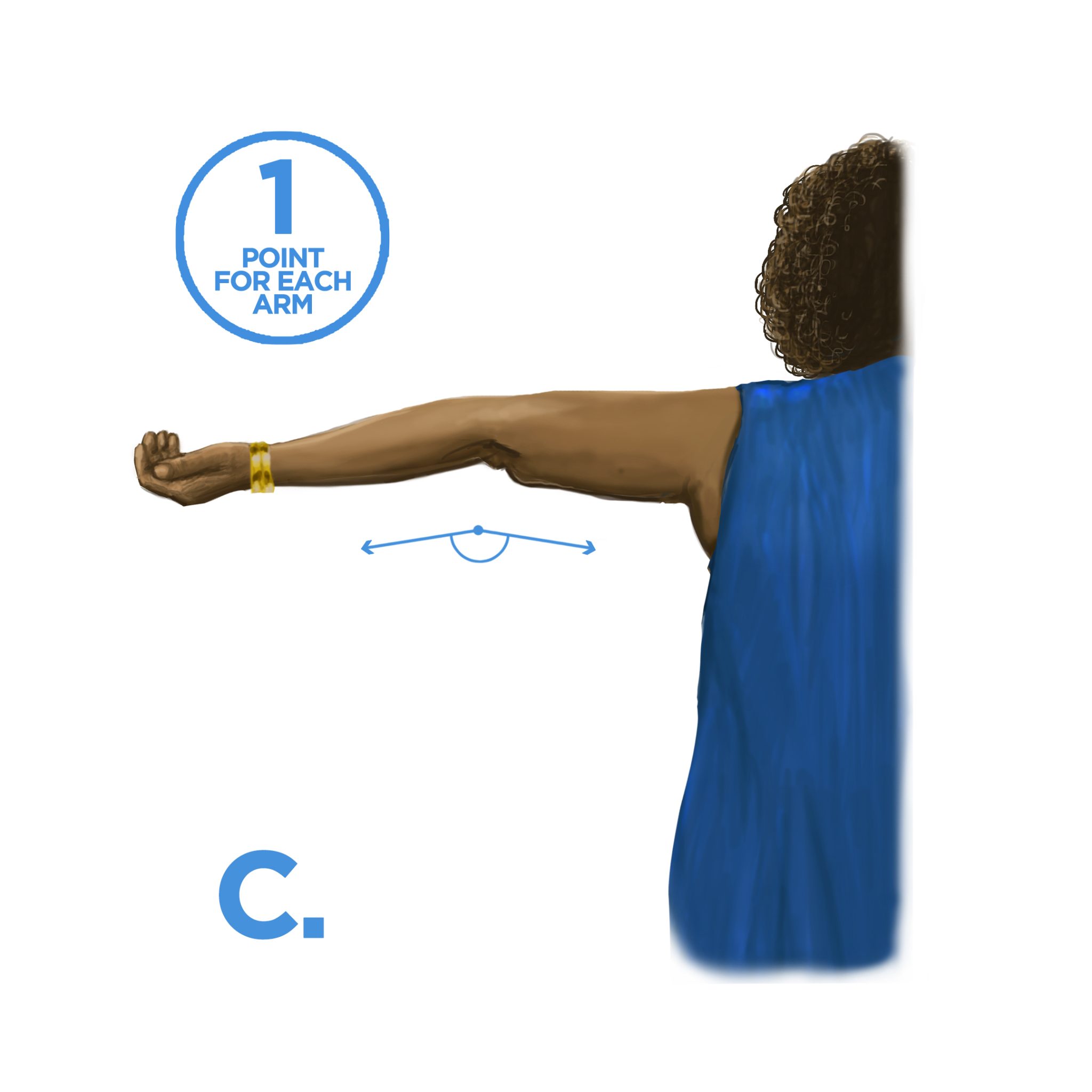
Illustration of an arm bending the elbow past straight

Knee extension

Do your knees bend more than 10° past straight?
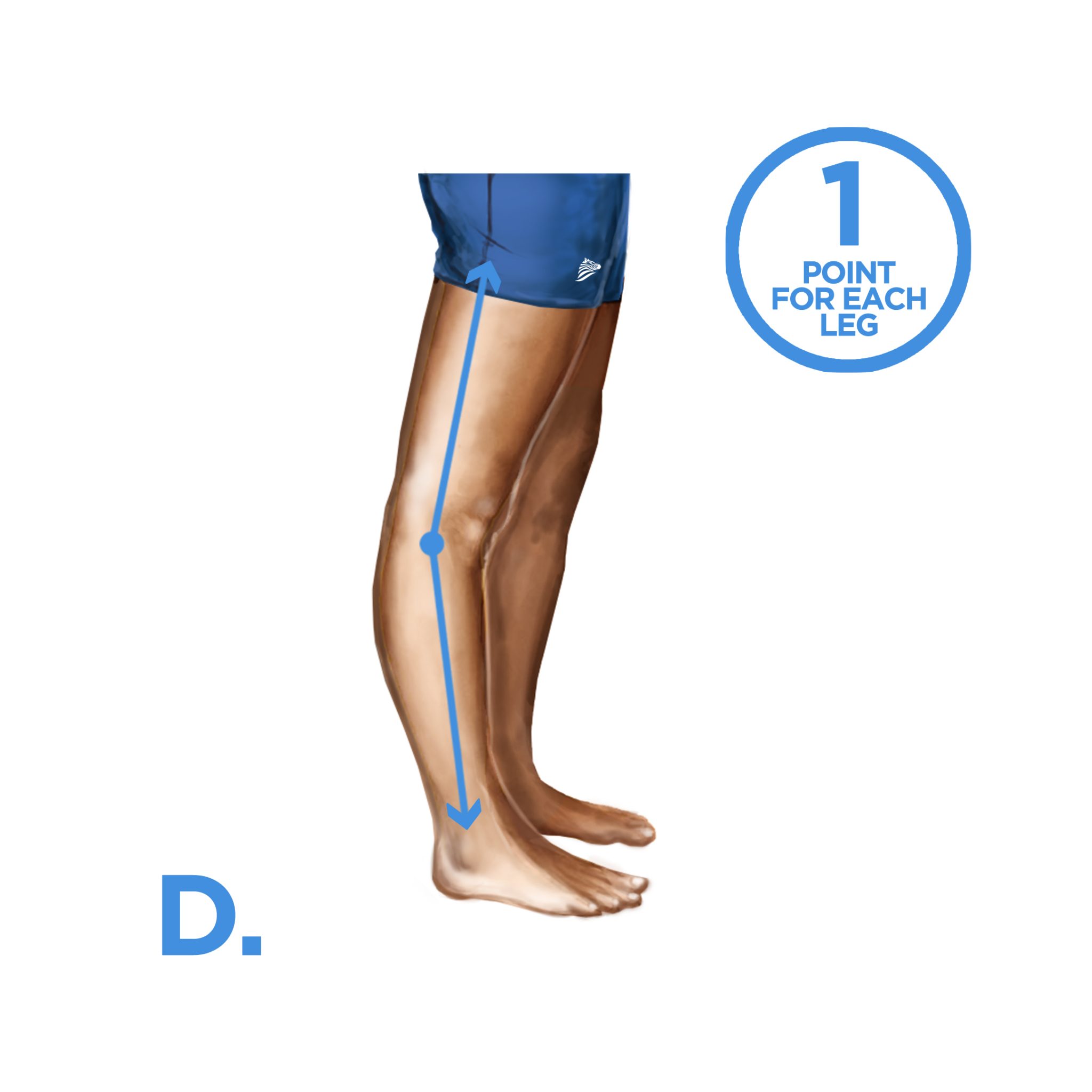
Illustration of a leg bending the knee past straight

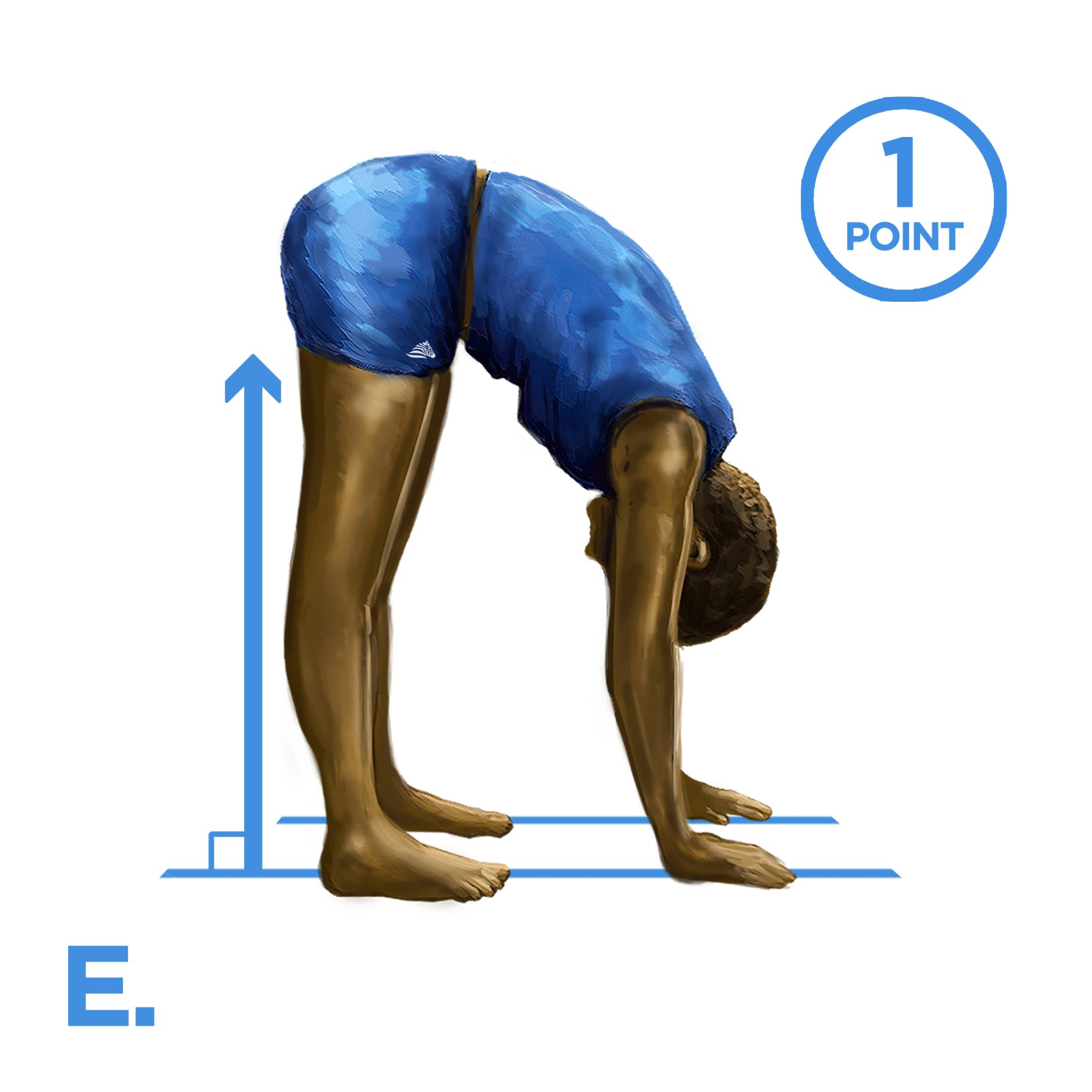
Palms flat on the floor

Illustration of a person bending forward with knees straight and palms flat on the floor

Bending forward with knees straight, can you place both palms completely flat on the floor?

Historical hypermobility (5-point questionnaire)

If your flexibility has decreased over time, check anything that used to be true:

Feature A: systemic manifestations

Check anything you've noticed in your own body (you need 5 or more of 12 to meet this feature):

Feature B and C: family history, pain and instability

Check anything that applies:

Criterion 3: clinical exclusions

Your doctor evaluates these three; check them if they've already been ruled out with you:

Summary for your doctor's visit

Why Spanish-only, for now

ZebraUp started as a tool for Spanish-speaking patients in Latin America, where there's a real gap of health apps designed in-language for rare disease patients. Right now the entire product — the app, the medical vocabulary, the clinical references — is built and tested in neutral Latin American Spanish.

The app itself — the product you'd actually use day to day — is intentionally staying Spanish-only for now, so the core experience stays right for the first community it was built for. This English page, and the simple Traditional Chinese and Brazilian Portuguese pages linked above, exist to keep other communities in the loop and, for Chinese, to look for translation volunteers.

Who's building this

ZebraUp is being built by Paulina, a developer and patient living with classical-like Ehlers-Danlos syndrome (clEDS).

The project comes out of the frustration of not finding tools built for the reality of patients with rare conditions — apps that assume every day looks the same, that treat each symptom as isolated, or that assume patients have unlimited energy for filling out forms.

ZebraUp is an attempt to do something different: a tool built from inside the experience, not from outside it.

More projects at github.com/Poln4 →

Every zebra is different

"Zebra" is the term this community uses for rare-disease patients — when you hear hoofbeats, the instinct is to think horses, but sometimes it's a zebra. My own experience is just one data point, not the whole community's, even though real patterns do repeat. Every patient's body and history is different, which is exactly why tracking your own symptoms matters — it helps you notice the patterns that are yours, not someone else's.

"What is essential is invisible to the eye."

— Antoine de Saint-Exupéry, The Little Prince

Want to know when an English beta exists?

Leave your email and we'll notify you if/when an English beta opens up. No spam, no other emails in between.